
Exploring the Benefits of Hot Air Units in Modern Manufacturing
In today’s competitive industrial landscape, manufacturers are constantly seeking ways to improve efficiency, precision, and product quality while controlling operational costs. One technology that plays a vital role in achieving these goals is the hot air unit. Widely used across various industries, hot air units provide controlled, consistent, and energy-efficient heating for a wide range of manufacturing processes.
5/8/20242 min read
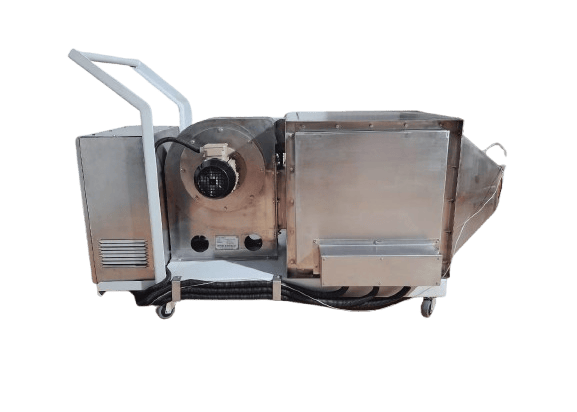
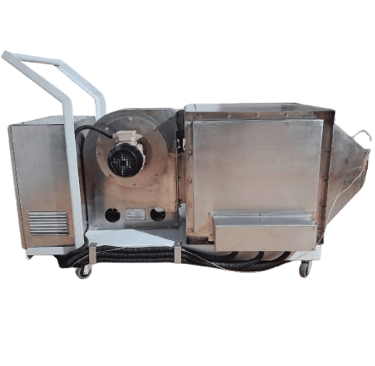
What Is a Hot Air Unit?
A hot air unit is an industrial heating system that generates and delivers heated air at controlled temperatures and airflow rates. Unlike traditional heating methods, hot air units offer direct, uniform heat application, making them ideal for processes that require accuracy and repeatability.
Modern hot air units are designed for continuous operation, precise temperature control, and safe performance in demanding manufacturing environments.
Key Benefits of Hot Air Units in Manufacturing
1. Precise Temperature Control
One of the biggest advantages of hot air units is their ability to deliver accurate and consistent temperature output. This precision is essential in processes such as:
Plastic forming and molding
Drying and curing
Heat treatment applications
Controlled heating helps prevent product defects and ensures consistent quality.
2. Improved Process Efficiency
Hot air units provide rapid heat transfer, reducing processing time and increasing production throughput. Faster heating cycles mean:
Reduced downtime
Higher productivity
Better utilization of machinery
This makes hot air units a valuable asset in high-volume manufacturing environments.
3. Energy-Efficient Operation
Compared to conventional heating systems, modern hot air units are designed for optimized energy consumption. Features such as insulated chambers, efficient heating elements, and variable airflow control help minimize heat loss and reduce operating costs.
4. Versatility Across Applications
Hot air units are extremely versatile and can be used in multiple manufacturing processes, including:
Drying of components and coatings
Shrink wrapping and packaging
Adhesive activation
Textile and paper processing
Food and pharmaceutical production (with appropriate compliance)
Their adaptability makes them suitable for diverse industrial sectors.
5. Uniform Heat Distribution
Consistent airflow ensures even heat distribution, which is critical for processes requiring uniform results. Uneven heating can cause warping, incomplete drying, or weak bonding, all of which can be avoided with well-designed hot air units.
6. Enhanced Safety and Reliability
Modern hot air units are equipped with multiple safety features such as:
Over-temperature protection
Airflow monitoring
Thermal cut-offs
These features ensure safe operation while protecting both equipment and personnel.
7. Low Maintenance and Long Service Life
Industrial hot air units are built with robust materials and simple mechanical designs, resulting in lower maintenance requirements. Easy access to components further reduces service time and operating disruptions.
Role of Hot Air Units in Modern Manufacturing
As manufacturing moves toward automation and process optimization, hot air units support:
Consistent product quality
Reduced energy consumption
Sustainable and cleaner production processes
Their ability to integrate with automated systems and production lines makes them an essential component of modern manufacturing facilities.
Conclusion
Hot air units have become an indispensable part of modern manufacturing, offering precision heating, energy efficiency, versatility, and reliability. Whether used for drying, curing, forming, or packaging, these systems help manufacturers achieve better control over their processes while reducing costs and improving output quality.
Investing in a high-quality hot air unit is not just about heating—it’s about enhancing efficiency, consistency, and long-term manufacturing success.
Connect
Address
Plot # 325, Phase – V, Sec 56
H.S.I.I.D.C, Industrial Estate
G. T. Road, Kundli
District Sonepat
Haryana, India
131028
Phone
+91- 9253053755
+91- 9671636767
Email ID salesperkins11@gmail.com
Quick LiNks
Contact
Contact Us
Blogs
About Us
© 2025. All rights reserved.